Start with site geometry and approach
Measure the approach route for the delivery truck and the working footprint for placement. In urban infill areas, a straight back-in path may not exist; a side-lift or repositioning space could be necessary. Note overhead obstructions and turning radii around gate posts or retaining walls. For frequent access by /forklift-rental/ or /telehandler-rental/, maintain apron space to stage pallets directly in front of the doors.
Ground bearing and red clay considerations
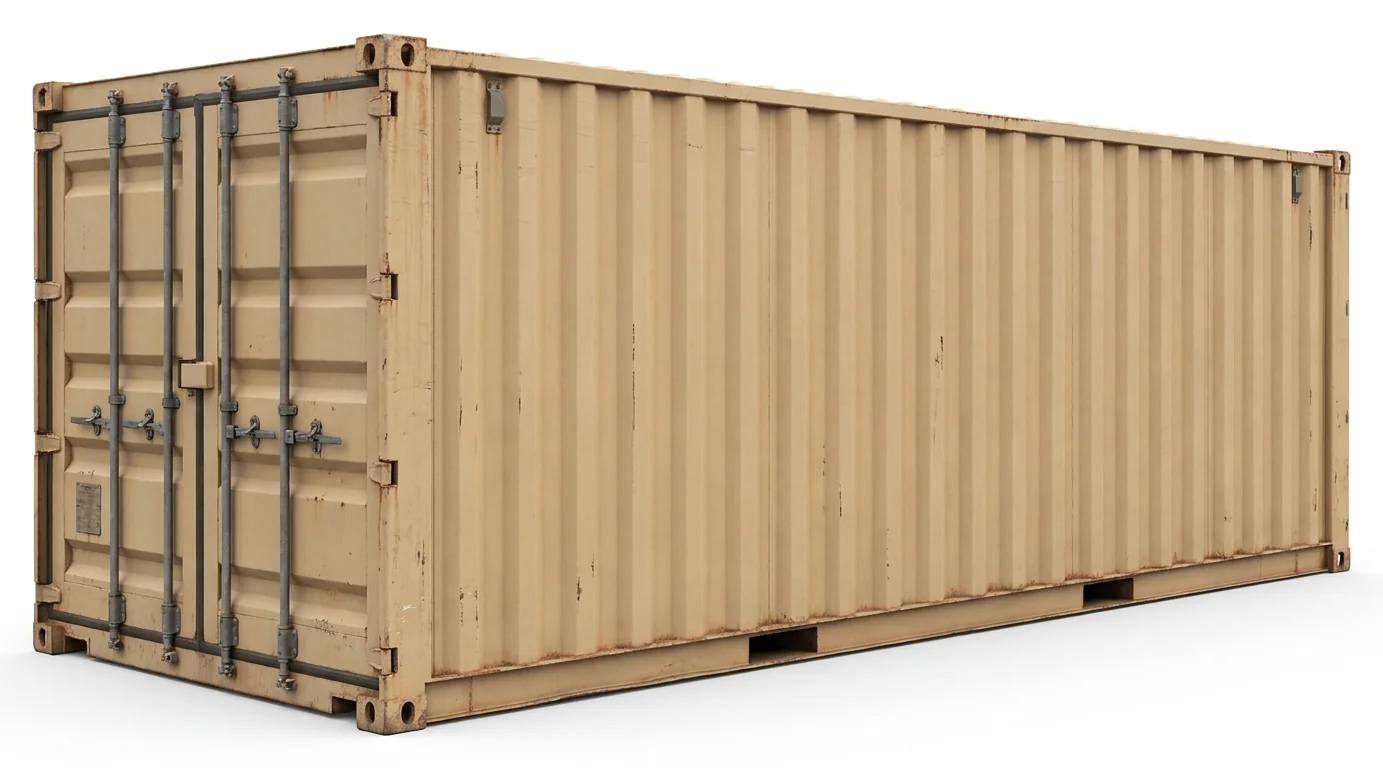
Birmingham’s moisture-retaining soils can rut under point loads. Containers concentrate weight on corner castings; if set on soft ground, expect settlement. A paved pad or well-compacted base reduces door misalignment from uneven support. If the container must sit on soil, plan for drainage so water won’t pond along the door side, especially during extended wet periods.
Container size vs. material flow
- Short-term fit-outs: smaller units near the workface minimize walking distance but require more frequent turns.
- Large projects with staged deliveries: longer units reduce trips but need more stable ground and wider swing space for delivery.
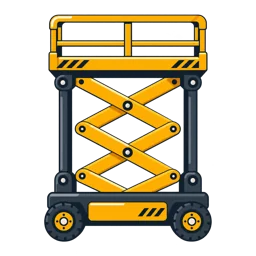
- Mixed-height materials for aerial work: arrange shelves to keep heavier items low and reserve clear zones for lift parts or guardrails used with /electric-scissor-lift-rental/ or /rough-terrain-scissor-lift-rental/.
Security and access patterns
On busy sites near distribution corridors, containers often sit near traffic. Plan door orientation away from active lanes to reduce conflict with trucks. For campus-adjacent work, confirm access windows so loading doesn’t overlap with peak pedestrian periods.
Weather, ventilation, and condensation
The regional climate can drive condensation inside closed steel boxes. Sensitive materials may need airflow or desiccant planning. When containers support indoor phases, verify that temporary placements won’t direct stormwater toward door thresholds.
Integration with lifts and staging
Containers near aerial work zones can double as guardrail storage and tool stations. Keep clear aisle widths for vertical-mast units from /vertical-mast-lift-rental/ if materials need to pass through man doors into high-bay spaces.
For complementary site products, visit /products/.